Services
Gas Plumber
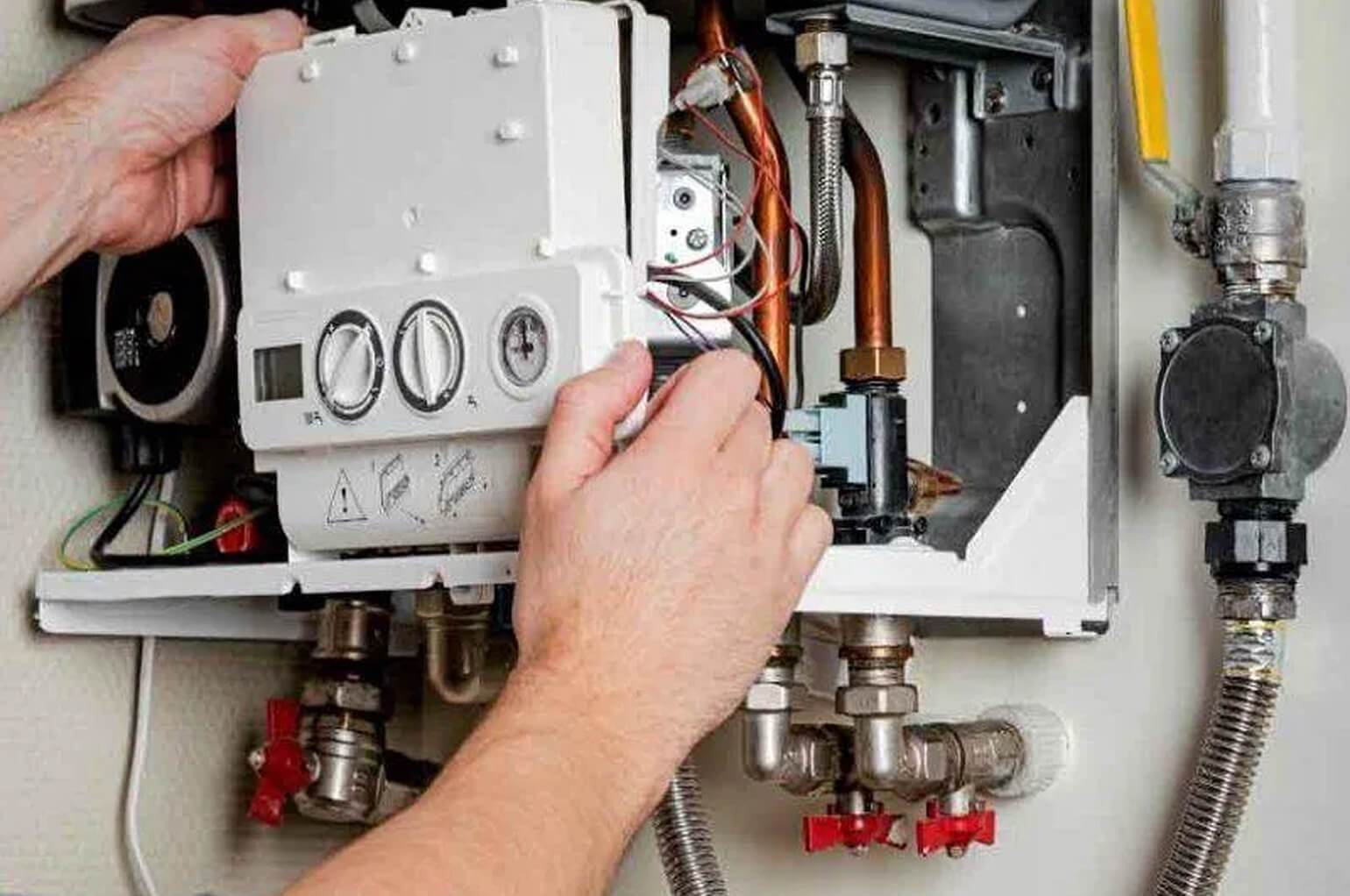
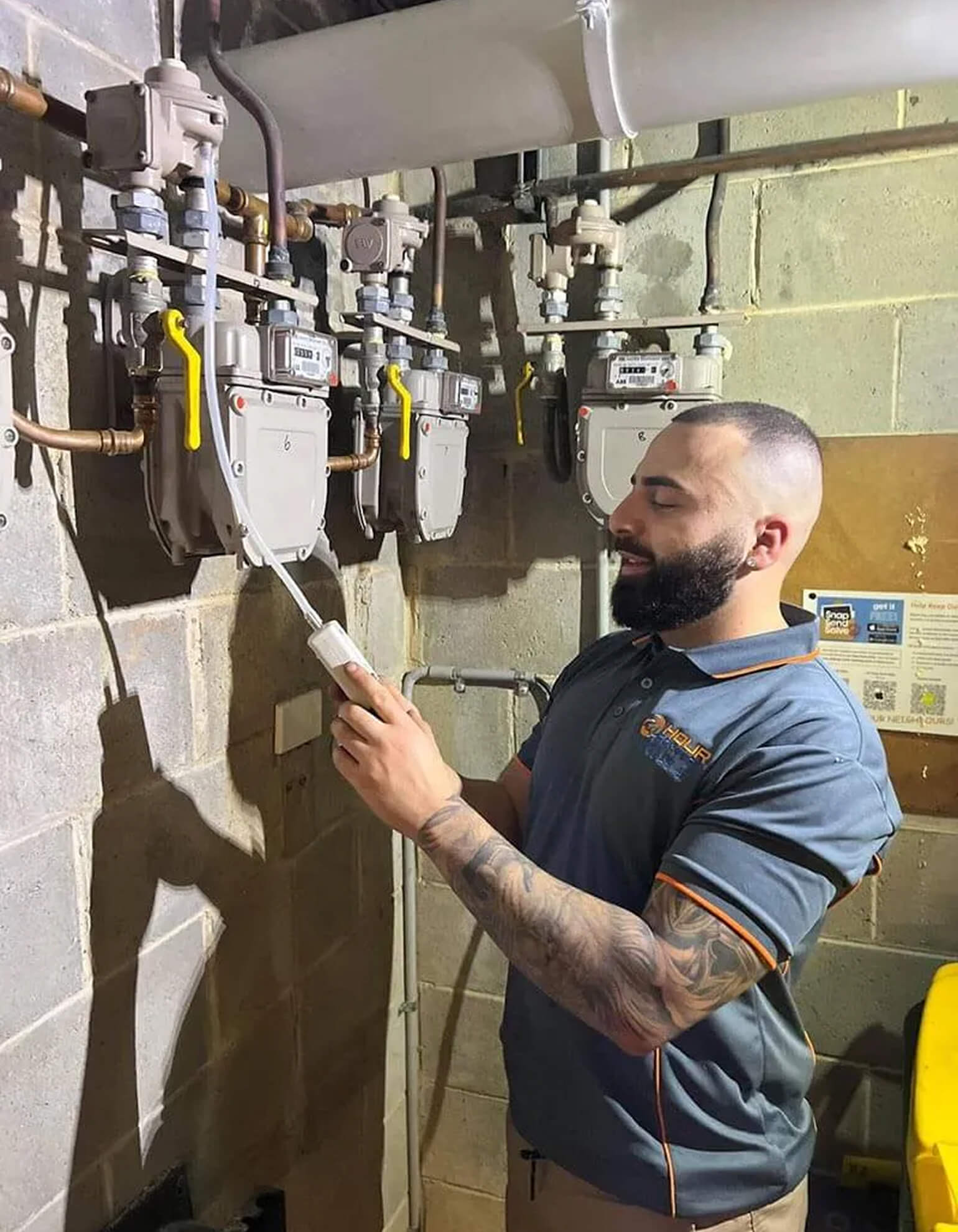
24 Hour Service Plumbers are accredited gas plumbers servicing the Sydney metro area. Fully licenced and insured we have over 20 years experience in the repair, maintenance and installation of Natural Gas and LPG connections.
Book a service now!
We will go above and beyond to solve your Plumbing Problems!
Call now for fast, reliable plumbing service — available 24/7 for emergencies, repairs and maintenance.
Water & Gas Leaks
What makes "24 Hour Service" the superior option for home gas services for our clients
As a 24-hour service provider for home gas services, our company can offer several advantages to clients compared to other providers. Here are some possible reasons:
01
Availability
24 Hour Service availability means that clients can access our gas services at any time of the day or night. This can be especially helpful in emergency situations, such as a gas leak, when clients need immediate assistance to ensure their safety.
02
Prompt Response
24 Hour Service commitment also means that clients can expect a prompt response to their service requests. This can help to minimize any inconvenience or disruption caused by gas-related issues, such as a broken gas line or malfunctioning gas appliances.
03
Experienced Technicians
24 Hour Service technicians are trained and experienced in dealing with gas-related issues, including leak detection, repairs, and maintenance. This expertise can give clients peace of mind that their gas services are being handled by qualified professionals who prioritize safety and efficiency.
04
Comprehensive Service
24 Hour Service offers a range of gas-related services, including installation, repair, and maintenance of gas lines, appliances, and heating systems. This comprehensive approach can help clients to address a variety of gas-related issues in their homes.
05
Competitive Pricing
Your company’s pricing for gas services is competitive, ensuring that clients receive quality service at a reasonable cost.
Overall, our company’s 24-hour availability, prompt response, experienced technicians, comprehensive services, and competitive pricing can make it the better choice for clients seeking reliable and efficient gas services for their homes.
What are the various types of gases commonly used in home applications?
Here are some common types of gases used in homes, along with their pros and cons:
01
Natural gas
Natural gas is a popular choice for home heating, cooking, and water heating. It is delivered through underground pipelines and is usually less expensive than electricity. The pros of natural gas include its high energy efficiency, reliability, and lower greenhouse gas emissions compared to other fossil fuels. However, the cons of natural gas include the potential for leaks, which can be hazardous and require regular inspections, and the environmental concerns associated with hydraulic fracturing (fracking) used to extract it.
02
Propane
Propane is a versatile gas commonly used for home heating, cooking, and outdoor grilling. It is stored in tanks on the property, and can be delivered by truck or purchased at a local supplier. The pros of propane include its high energy density, portability, and relatively low cost compared to electricity. However, the cons of propane include the need for regular tank refills, and the potential for leaks or accidents if not stored and used properly.
03
Butane
Butane is commonly used in portable gas stoves, lighters, and heaters. It is highly portable and easy to use, making it a popular choice for camping or outdoor activities. The pros of butane include its portability, clean-burning properties, and ease of use. However, the cons of butane include its relatively high cost compared to other fuels, and the potential for safety hazards if not used or stored properly.
04
LPG
LPG (liquefied petroleum gas) is a gas that can be used for heating, cooking, and water heating. It is stored in large tanks on the property and can be delivered by truck or purchased at a local supplier. The pros of LPG include its high energy density, portability, and lower carbon emissions compared to other fossil fuels. However, the cons of LPG include the need for regular tank refills, and the potential for leaks or accidents if not stored and used properly.
Overall, the choice of gas will depend on the specific needs and preferences of the homeowner, as well as safety considerations and availability in the local area. It is important to follow proper safety procedures and regulations when handling any type of gas to ensure the safety of individuals and the environment.
How our Gas service is the more superior choice for your home.
Here are some common types of gases used in homes, along with their pros and cons:
01
Natural gas
Natural gas is a popular choice for home heating, cooking, and water heating. It is delivered through underground pipelines and is usually less expensive than electricity. The pros of natural gas include its high energy efficiency, reliability, and lower greenhouse gas emissions compared to other fossil fuels. However, the cons of natural gas include the potential for leaks, which can be hazardous and require regular inspections, and the environmental concerns associated with hydraulic fracturing (fracking) used to extract it.
02
Propane
Propane is a versatile gas commonly used for home heating, cooking, and outdoor grilling. It is stored in tanks on the property, and can be delivered by truck or purchased at a local supplier. The pros of propane include its high energy density, portability, and relatively low cost compared to electricity. However, the cons of propane include the need for regular tank refills, and the potential for leaks or accidents if not stored and used properly.
03
Butane
Butane is commonly used in portable gas stoves, lighters, and heaters. It is highly portable and easy to use, making it a popular choice for camping or outdoor activities. The pros of butane include its portability, clean-burning properties, and ease of use. However, the cons of butane include its relatively high cost compared to other fuels, and the potential for safety hazards if not used or stored properly.
04
LPG
LPG (liquefied petroleum gas) is a gas that can be used for heating, cooking, and water heating. It is stored in large tanks on the property and can be delivered by truck or purchased at a local supplier. The pros of LPG include its high energy density, portability, and lower carbon emissions compared to other fossil fuels. However, the cons of LPG include the need for regular tank refills, and the potential for leaks or accidents if not stored and used properly.
Overall, the choice of gas will depend on the specific needs and preferences of the homeowner, as well as safety considerations and availability in the local area. It is important to follow proper safety procedures and regulations when handling any type of gas to ensure the safety of individuals and the environment.
Flexible payment options available through Brighte.
Flexible payment options available through Brighte. Fees, terms and approval criteria apply.
Book a Service
For all URGENT enquiries please call 1300 00 24 47
Flexible payment options available through Brighte.
Flexible payment options available through Brighte. Fees, terms and approval criteria apply.